
A late breakfast, a shaded place to read, dinner without a rush: the appeal of a Caribbean babymoon is often how little you need to do. Choosing the right island starts with making those ordinary moments easy.
Aruba suits a beach-centered stay with restaurants nearby. Nassau and Paradise Island offer a base that does not require an onward island flight. Saint Lucia brings mountain scenery with more attention needed to roads and hotel terrain. Jamaica offers very different coastal and mountain stays. The right choice depends on your departure airport, comfort needs and pregnancy-specific medical advice.
Before choosing an island, check the trip itself
Speak with your maternity clinician about your proposed destination, dates and activities before paying nonrefundable costs. The CDC’s pregnancy travel guidance recommends advance consultation, checking carrier restrictions, identifying healthcare and confirming insurance coverage for pregnancy and neonatal complications. A resort’s babymoon package does not establish that a destination or treatment is appropriate for you.
Also check current CDC Zika recommendations for the exact island. CDC advises pregnant travelers to avoid areas with an active Zika Travel Health Notice. It distinguishes those notices from countries with current or past transmission; the absence of a current outbreak notice does not mean zero risk. Discuss the destination’s category and prevention advice with your clinician. This guide compares travel logistics, not medical suitability.
For a short break, compare the entire journey: airport connections, waiting time, immigration, road transfer and arrival hour. A flight that lands late followed by a long drive can consume much of the first day.
Which Caribbean base fits your babymoon?
| Base | Why consider it | Check before choosing |
|---|---|---|
| Eagle Beach or Palm Beach, Aruba | Beach days with different levels of nearby activity | Whether the room is directly beachfront or across a road; evening noise |
| Nassau or Paradise Island, Bahamas | A single airport arrival followed by ground transport | Resort size, room-to-beach distance and the particular beach setting |
| Soufrière area, Saint Lucia | Piton views and a scenic place to stay put | Winding transfers, hills, steps and room access |
| Jamaica’s coast | A stay organized around the beach and meals | The exact airport, transfer route and property layout |
| Blue Mountains, Jamaica | A mountain retreat with views over Kingston | Curving roads, terrain and room cooling; this is not a beach stay |
Aruba: choose the neighborhood before the room
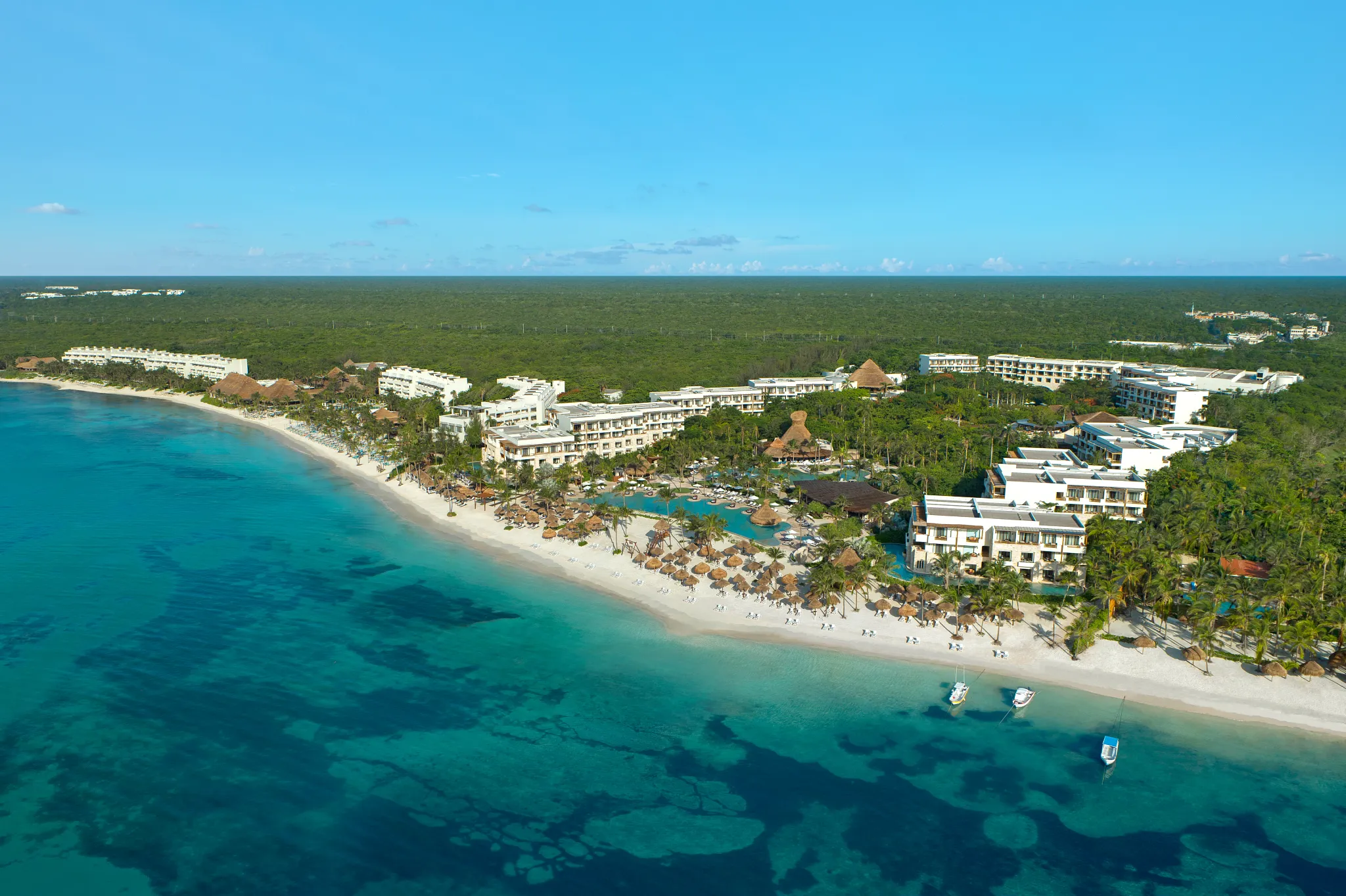
Eagle Beach and Palm Beach offer two distinct starting points. Aruba’s tourism authority describes Eagle Beach as a broad stretch with shaded areas and low-rise hotels nearby or across the road. Palm Beach has high-rise hotels, restaurants, shops, watersports concessions and nightlife.
For a quieter-feeling stay, begin by looking at Eagle Beach, then check the actual address and any road crossing. For dining choices close to your room, compare Palm Beach properties, paying attention to rooms beside entertainment venues. These are neighborhood distinctions, not guarantees about a particular hotel.
Ask for the shortest comfortable route between your room, shade, meals and the beach. A sunset view from your terrace can be more useful than a long excursion you feel obliged to take. Browse LOVU’s Aruba guide once your travel checks are complete.
The Bahamas: start with Nassau and Paradise Island
Nassau and Paradise Island are a practical place to begin comparing a Bahamas stay when you want to avoid an onward island transfer. Arrivals use Lynden Pindling International Airport; Paradise Island is connected to Nassau by road bridges. The destination’s ground-transport guide explains the options.
The next decision is scale. Before choosing a large resort, ask how far the assigned room category is from restaurants and the beach. A quieter room farther from the center may mean more walking. A smaller property may make daily movement simpler but offer fewer places to eat on site.
An Out Island can still be appealing, but evaluate the additional flight or boat connection, available healthcare and return arrangements as a separate decision. Start with the geography in our Bahamas destination guide, then narrow the search to one base.
Saint Lucia: put the view where you can enjoy it
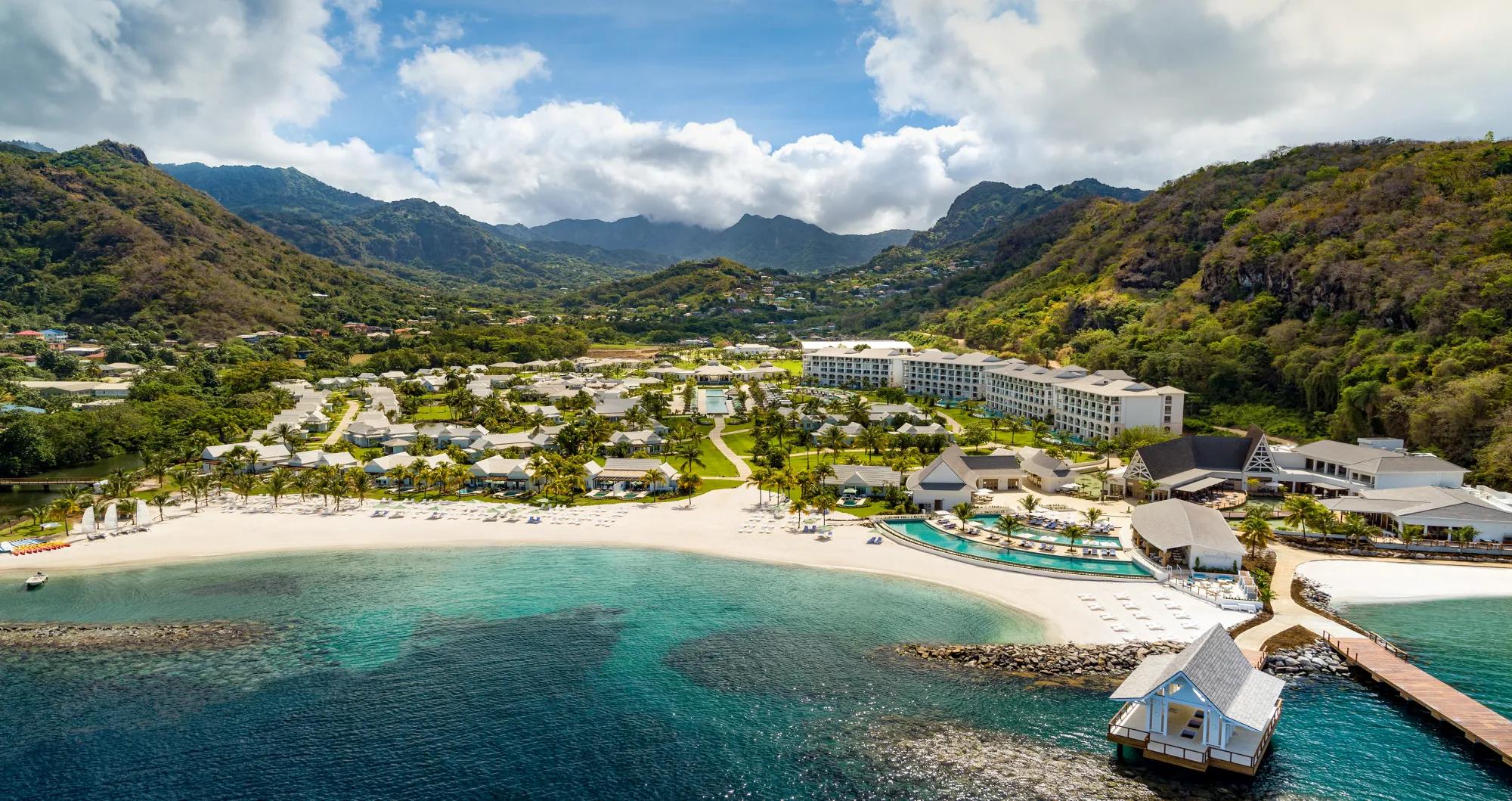
Saint Lucia makes sense for couples who want to spend time looking at the landscape from their room or terrace. Around Soufrière, the Saint Lucia Tourism Authority describes winding, steep roads and recommends a car or driver between locations.
That changes how to choose a stay. Request the transfer route from your actual arrival airport and ask about steps, slopes, buggy service and the route to dinner. Do not assume every room with a Piton view has easy access to the beach.
Keep the schedule light: one outing you both want, with the rest optional. Hiking, boat trips, hot baths and spa treatments each need their own suitability check; a scenic destination does not make every advertised activity right for a babymoon.
Jamaica: coast or mountains is a real choice
Use the exact property address to plan a Jamaican trip. A coast-based holiday and a stay above Kingston call for different airport and transfer decisions. Ask for a written transfer plan before choosing flights, rather than assuming Montego Bay is the right gateway for every property.
Strawberry Hill is in Jamaica’s Blue Mountains, not on the beach. Its official property information describes cottages within the mountain contours, a winding road approach from Kingston and rooms cooled by ventilation and fans rather than air-conditioning.
Those details may suit a couple who wants mountain views and unhurried meals. They may be the wrong fit if you want level access to the sea, air-conditioning or a less winding transfer. Ask about the specific cottage, steps and access to the restaurant. Do not treat the property as an adults-only beachfront option. Explore Jamaica’s different settings before narrowing the hotel list.
Dates, weather and cancellation terms
Choose travel dates with your clinician and check the airline’s current pregnancy policy for both outbound and return flights. There is no single week of pregnancy that makes every trip suitable.
For weather planning, the National Hurricane Center defines the Atlantic hurricane season as June 1–November 30 and notes that storms can occur outside it. June is not outside hurricane season. Neither a dry-season label nor an island’s location guarantees uninterrupted sunshine or flights.
Compare cancellation deadlines and storm-disruption terms alongside the room. Confirm what insurance actually covers and when it must be bought; a refundable hotel does not automatically protect nonrefundable flights or transfers.
Ask these questions before booking
- Is the quoted room air-conditioned, and can its position be confirmed?
- How many steps, slopes or long paths separate it from meals and shade?
- Can airport transport be private, with a comfortable vehicle and agreed stops?
- What healthcare is available nearby, and what is the plan if more specialist care is needed?
- Which meals, transfers and services are included, and which cost extra?
- What happens if medical advice changes before departure?
Build a stay around a few things you would enjoy even on a low-energy day: a comfortable room, somewhere pleasant to sit and meals you do not need to organize repeatedly. Bring that shortlist to LOVU’s babymoon planning page so a travel advisor can help compare the practical details. Your clinician remains the person to advise on travel during your pregnancy.